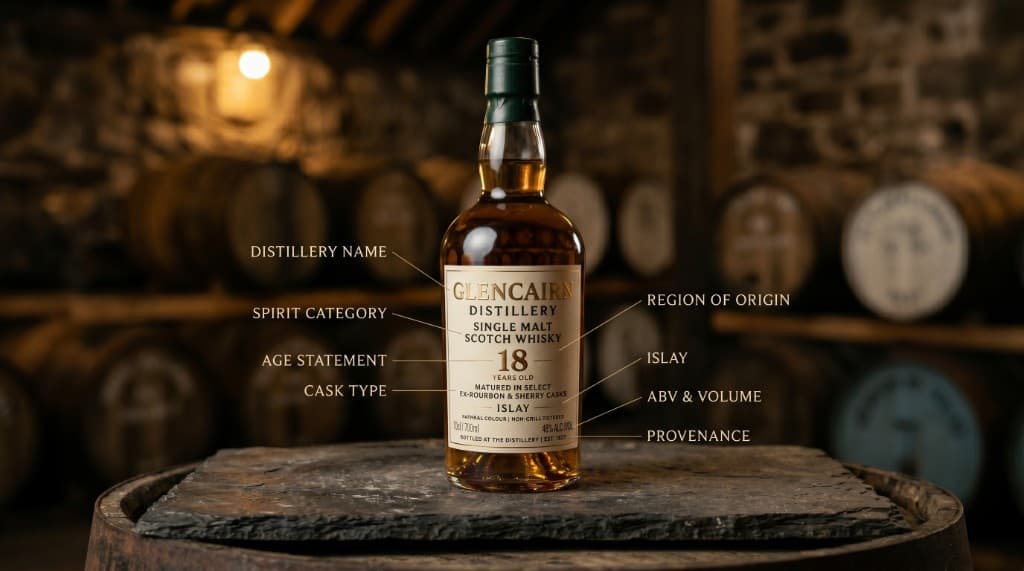
How to read a whisky label: distillery, age statement and cask type
A whisky label packs more information than it first appears: every word on it affects what you pay. Here is how to decode distillery name, age statement, cask finish and ABV before you buy.
Unlike wine, whisky has no appellation system to fall back on. Every piece of information on the label is there because the producer chose to put it there, or because the law required it. That makes reading a whisky label both more flexible and more demanding: you need to know which facts are mandatory and which are optional boasts.
The distillery name and region
The most important word on a Scotch whisky label is the distillery name. Each distillery has a distinct character shaped by its water source, still shape, fermentation time and local climate. Knowing the distillery means you can compare prices across merchants for the exact same liquid. Region (Speyside, Islay, Highlands, Campbeltown, Lowlands) gives a broad stylistic hint: peaty and coastal from Islay, fruity and elegant from Speyside. But it is the distillery itself that defines the flavour, not the region.
The age statement: what it means and what it hides
When a label says "12 Years Old" (or 15, 18, 21…), it means every drop in the bottle has spent at least that many years in oak casks. The age statement is a minimum guarantee, not an average. A 12-year-old whisky might contain whiskies aged 12, 15 and 20 years. The blender just cannot include anything younger than 12.
No Age Statement (NAS) whiskies carry no minimum age on the label. This is not necessarily a sign of inferior quality: some NAS expressions are highly regarded. But it removes one objective anchor for price comparison. When comparing a NAS whisky with an age-stated one, you are comparing the house's reputation and tasting notes rather than a verifiable fact.
Single malt, blended malt, blended Scotch
- Single Malt Scotch: made from malted barley, distilled at a single distillery. The most common premium category.
- Single Grain Scotch: made from grains other than malted barley, at a single distillery. Lighter in style, often less expensive.
- Blended Malt Scotch (formerly "vatted malt"): a blend of single malts from multiple distilleries, no grain whisky.
- Blended Scotch: a mix of single malt(s) and grain whisky from multiple distilleries. The largest volume category globally.
- Single Cask: bottled from one individual cask only. Bottle number is often printed on the label. Rarest and most collectible.
Cask type and finish: why it matters for the price
Casks are the single greatest influence on whisky flavour. The most common casks are ex-bourbon (American white oak, imparts vanilla, coconut, honey) and ex-sherry (European or American oak, imparts dried fruit, nuts, spice). "Finished" or "double-matured" whiskies are first aged in one cask type, then transferred to a second for the final months or years. Finishing in unusual casks (port, rum, Sauternes, Cognac) commands a premium because the casks are rare and the process adds complexity.
ABV, cask strength and chill filtration
"Cask Strength" means the whisky is bottled at the natural strength it comes out of the cask, usually between 55% and 65% ABV. This is not diluted: it is the pure, undiluted liquid. Cask strength bottlings deliver more flavour per bottle but can cost more. "Natural Colour" (or the absence of "E150a caramel colouring" in the small print) means no colour has been added to standardise appearance. "Non Chill-Filtered" means the oils and esters that give body and texture have not been removed. Both are quality signals among enthusiasts and often correlate with higher prices.
Frequently asked questions
- Is an older whisky always better?
- No. Age adds complexity through wood interaction, but too much time in cask can make a whisky over-oaked and astringent. The quality of the cask matters as much as the years spent in it. Some outstanding whiskies are 10 years old; some disappointing ones are 25.
- What does "double matured" mean on a whisky label?
- Double matured (or "double wood") means the whisky was first aged in one type of cask, then transferred to a second type to finish its maturation. The second cask adds an extra layer of flavour: for example, a 12-year bourbon-matured whisky finished for 18 months in an ex-sherry butt.
- Does a higher ABV mean better quality?
- Not directly. Higher ABV (especially cask strength) means more intensity and flavour concentration, which enthusiasts value. Standard bottlings at 40% or 43% are perfectly good whiskies. The difference is about style and preference, not a quality hierarchy.
More guides
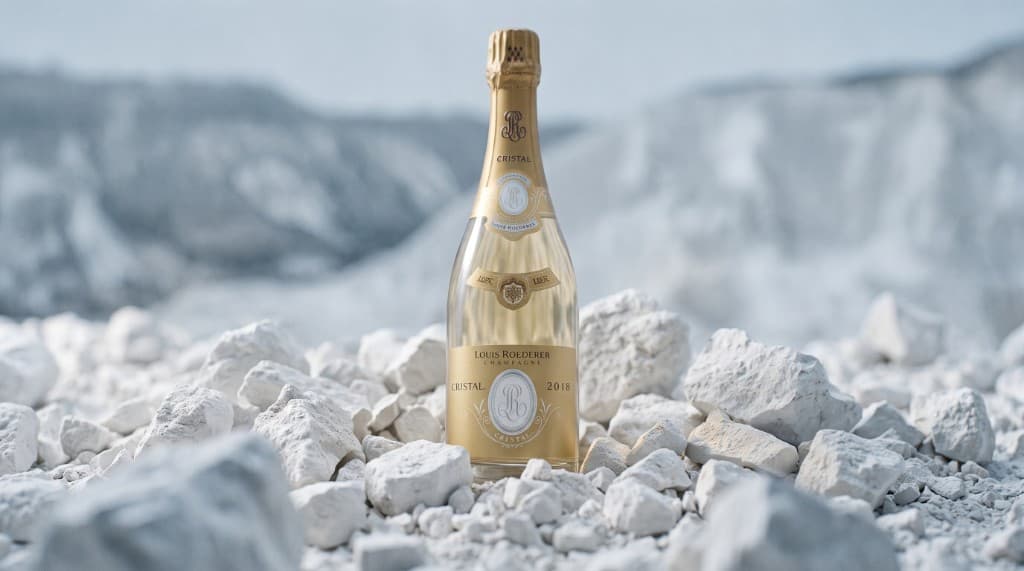
Louis Roederer Cristal 2018: a sun-drenched vintage that kept its edge
The house marks 250 years of history and 150 years of Cristal. But the anniversary is not the point. What the 2018 actually contains, what structurally sets Cristal apart from other prestige cuvées, and what the vintage changes in the glass.
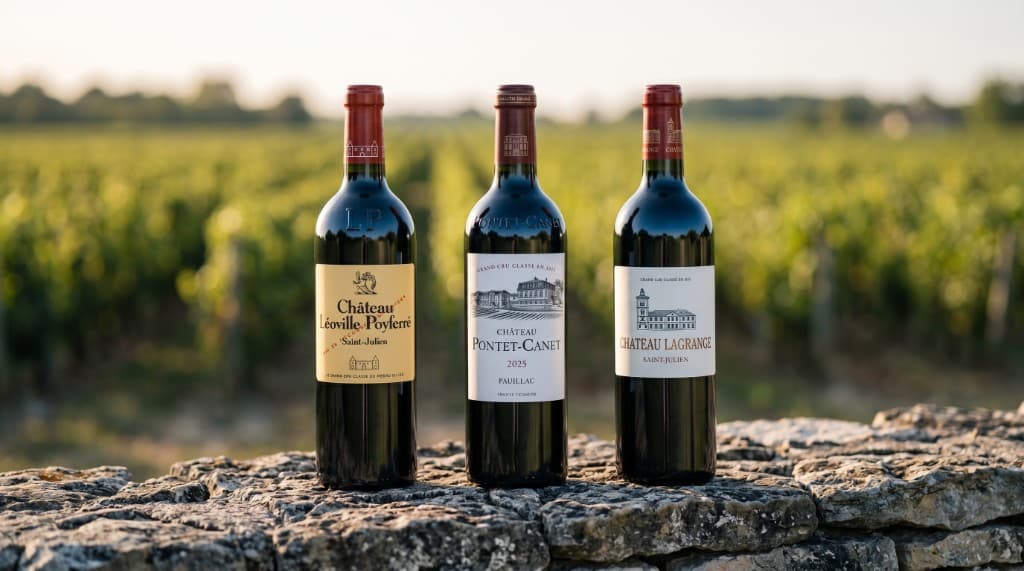
Bordeaux 2025 en primeur: why this is the buy of the decade
Exceptional quality, the smallest harvest since 1991, and prices held back by years of difficult sales: Bordeaux 2025 en primeur aligns three fundamentals that rarely converge. Here is why it belongs in your cellar.
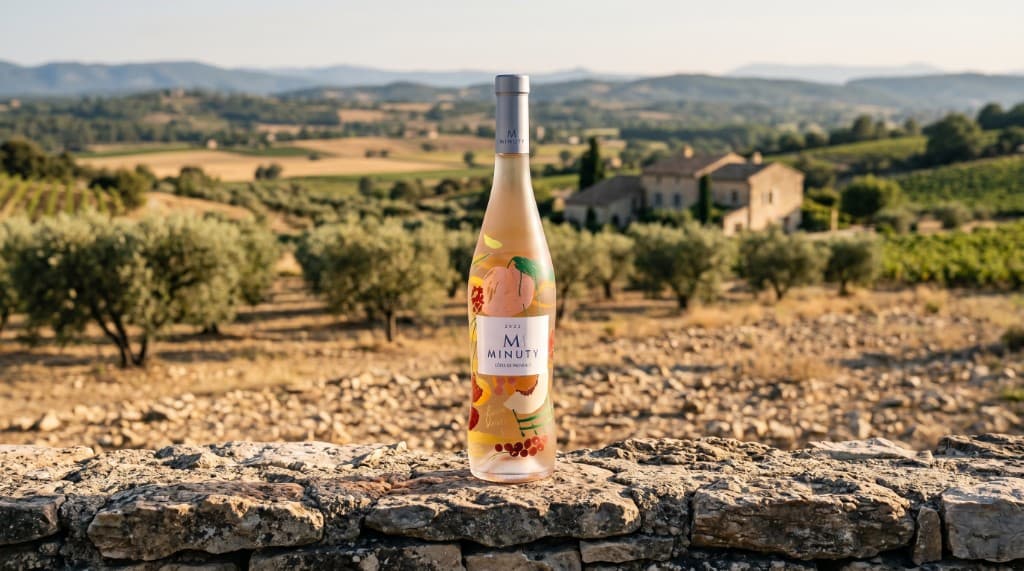
Minuty M: the rosé that gets a new skin every year
Every vintage, a different label, a different artist, the same rosé. The Minuty M series is one of the rare annual art commissions in the wine world. Five editions reviewed.