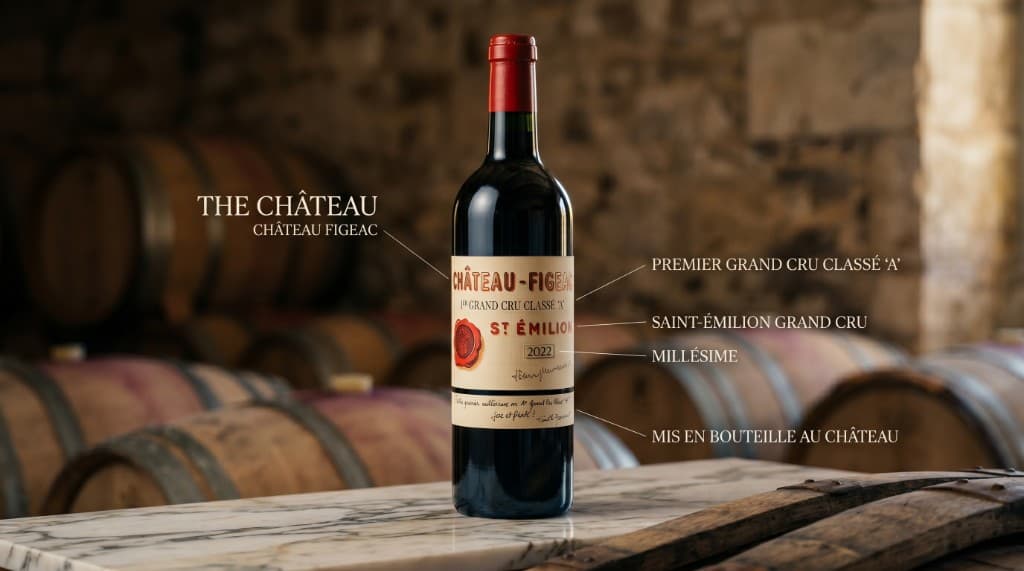
How to read a Bordeaux wine label
Château, appellation, vintage, classification, bottling: decode every line of a Bordeaux label so you know exactly what is in the bottle before you pay for it.
A Bordeaux label can look intimidating, but it follows strict rules. Once you know what each element means, the label becomes the single most useful tool for judging a bottle and for spotting whether a price is fair before you buy.
Why the label matters when you buy
In Bordeaux, the law dictates what producers may and may not print. There is no marketing fluff in the mandatory mentions: each one is verifiable. That is exactly why the label is so valuable when comparing offers across merchants: two bottles with the same appellation, vintage and classification should sit in a similar price range.
The key elements on a Bordeaux label
Most Bordeaux labels share the same building blocks. Look for these in order:
- The estate name (the château or domaine that produced the wine).
- The appellation of origin (AOC), which tells you where the grapes were grown.
- The vintage: the harvest year of the grapes.
- The classification, if any (Grand Cru Classé, Cru Bourgeois, and so on).
- The bottling mention (where and by whom the wine was bottled).
- The alcohol content and bottle volume, required by law.
Understanding the appellation (AOC)
The appellation is the heart of a Bordeaux label. A regional appellation such as “Bordeaux” or “Bordeaux Supérieur” covers a wide area, while a communal appellation such as “Pauillac”, “Saint-Émilion” or “Margaux” is far more specific and usually commands a higher price. The narrower the appellation, the stricter the production rules.
Vintage, classification and bottling
The vintage matters because weather changes every year, and some years are simply better than others. The classification places the estate within a historical hierarchy: the 1855 Classification for the Médoc, the Cru Bourgeois ranking, or the Saint-Émilion classification. Finally, “Mis en bouteille au château” means the wine was bottled at the estate itself, generally a mark of traceability.
Using the label to buy at the right price
When you compare two offers, line up the appellation, the vintage and the classification first. If all three match, the cheaper bottle is usually the better deal. If they differ, the price gap is probably justified, and the label tells you exactly why.
Frequently asked questions
- What does “Mis en bouteille au château” mean?
- It means the wine was bottled at the estate where it was produced, rather than shipped in bulk and bottled elsewhere. It is generally considered a sign of traceability and quality control.
- Is a Grand Cru Classé always better than an unclassified wine?
- Not necessarily. A classification reflects a historical reputation and usually a higher price, but many unclassified estates produce excellent wine. Use the classification as one signal among several, not as a guarantee.
- Does the vintage really change the price?
- Yes. Highly rated vintages are more sought after and cost more, while weaker years are cheaper. For the same wine, comparing prices vintage by vintage is the only fair comparison.
More guides
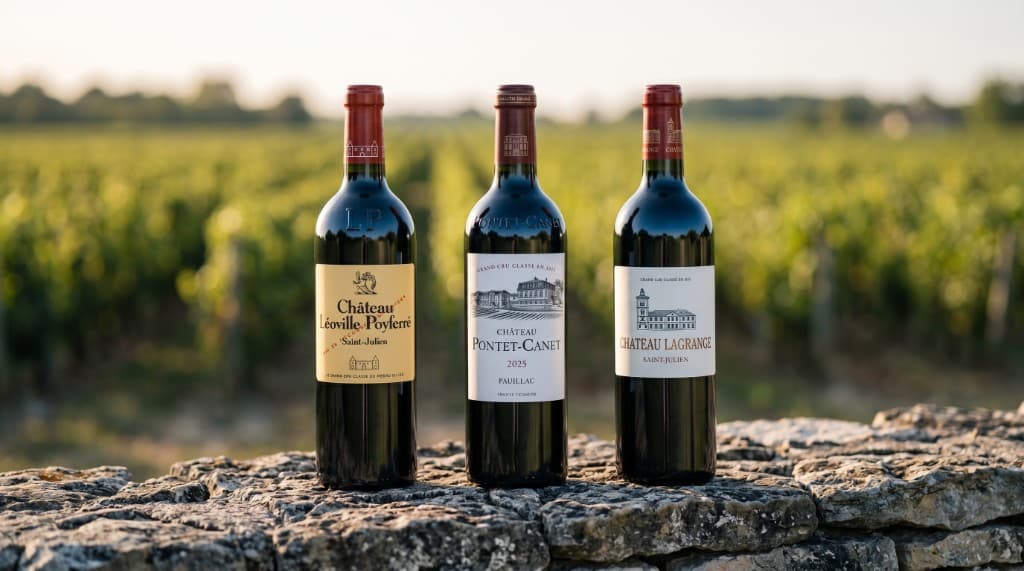
Bordeaux 2025 en primeur: why this is the buy of the decade
Exceptional quality, the smallest harvest since 1991, and prices held back by years of difficult sales: Bordeaux 2025 en primeur aligns three fundamentals that rarely converge. Here is why it belongs in your cellar.
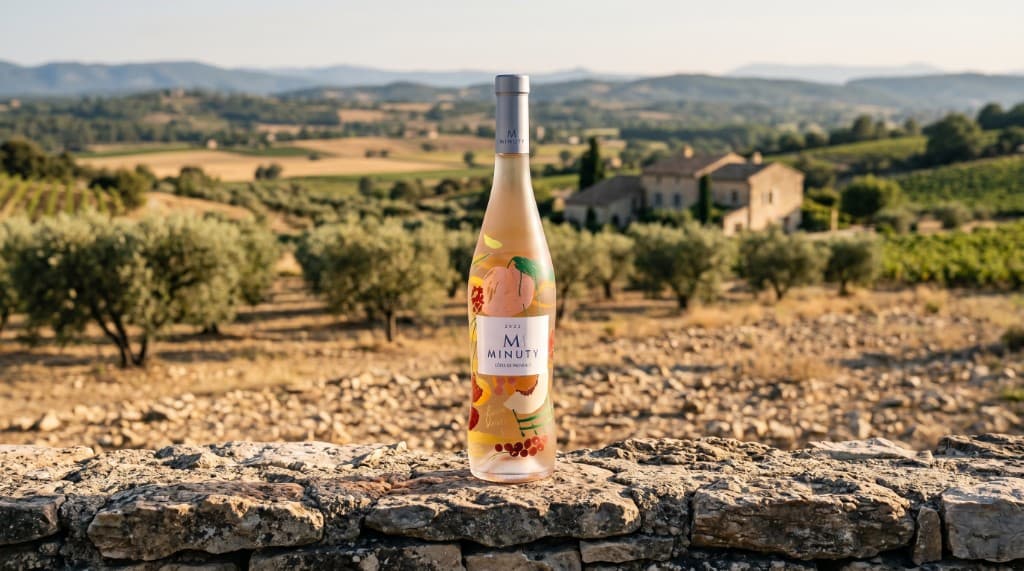
Minuty M: the rosé that gets a new skin every year
Every vintage, a different label, a different artist, the same rosé. The Minuty M series is one of the rare annual art commissions in the wine world. Five editions reviewed.
Bordeaux en primeur: every vintage from 2009 to 2025 reviewed
From how the en primeur system works to a detailed review of every vintage from 2025 to 2009: style, quality, drinking window and a buying verdict for each year.